Properties We Power
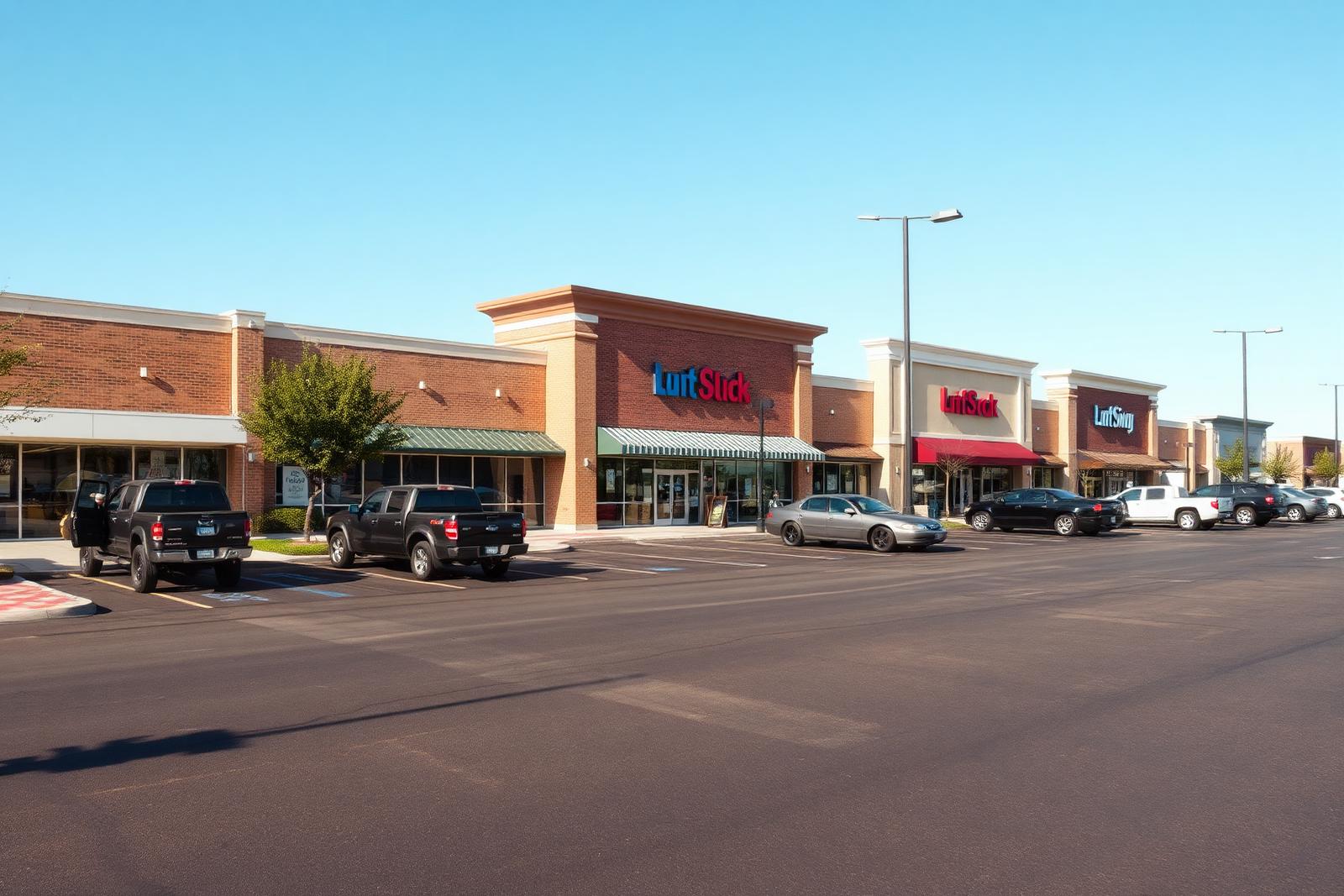
EV Charging for Retail and Shopping Centers
Charging is a traffic driver. Shoppers who plug in stay on site for the length of the session, and centers with fast charging pull drivers off nearby corridors who would otherwise never stop.
Why it works at shopping centers & retail
- Longer dwell time translates directly into higher basket size for tenants.
- DC fast charging captures corridor traffic that passes your center today.
- Charging revenue plus optional advertising on large format charger displays.
- Signage and app listings put your center on driver navigation maps.
- Construction phased around live retail operations, nights and weekends included.
What it costs
Level 2 rows run $4,000 to $10,000 per station. A DC fast charging pad is a larger project, with hardware from roughly $40,000 to $150,000 per unit plus service and switchgear work.
Project timeline
Level 2 projects typically complete in six to ten weeks. DC fast charging depends on utility service lead time and often runs three to six months.
Common questions
- Does EV charging actually increase sales?
- Charging extends dwell time, and dwell time correlates with basket size. DC fast charging also pulls corridor drivers off nearby roads who would not otherwise stop at the center.
- Will construction disrupt tenants?
- We phase trenching and stall closures around operating hours, including nights and weekends, and keep drive lanes and fire access open throughout.
- Who owns the charging revenue?
- You do. Pricing, access rules and validation are set by the property, and revenue flows to the owner or is shared with tenants under whatever structure you choose.
What we typically install
- Q-DCFC-W Series 60 kW to 360 kW at high traffic entrances
- QAC2-BC Level 2 rows for anchor tenant and employee parking
- Solar carports over open lots for shade, savings, and higher incentives
Incentives
Retail sites often stack the 30% federal credit with utility rebates and solar incentives when a carport is included in the scope.